Compression Gloves for Arthritis: What They Are and What to Expect
Compression gloves for arthritis are snug, stretchy gloves, usually fingerless, that give the hands a gentle, even squeeze and a little warmth. Many people with stiff or achy hands like them for comfort, especially in the morning, in cold weather, or during hand-heavy activities like knitting or gardening.
They are a comfort item, and research has not shown that they change arthritis itself. Here is what they are good for, how to choose a pair, and how to wear them.

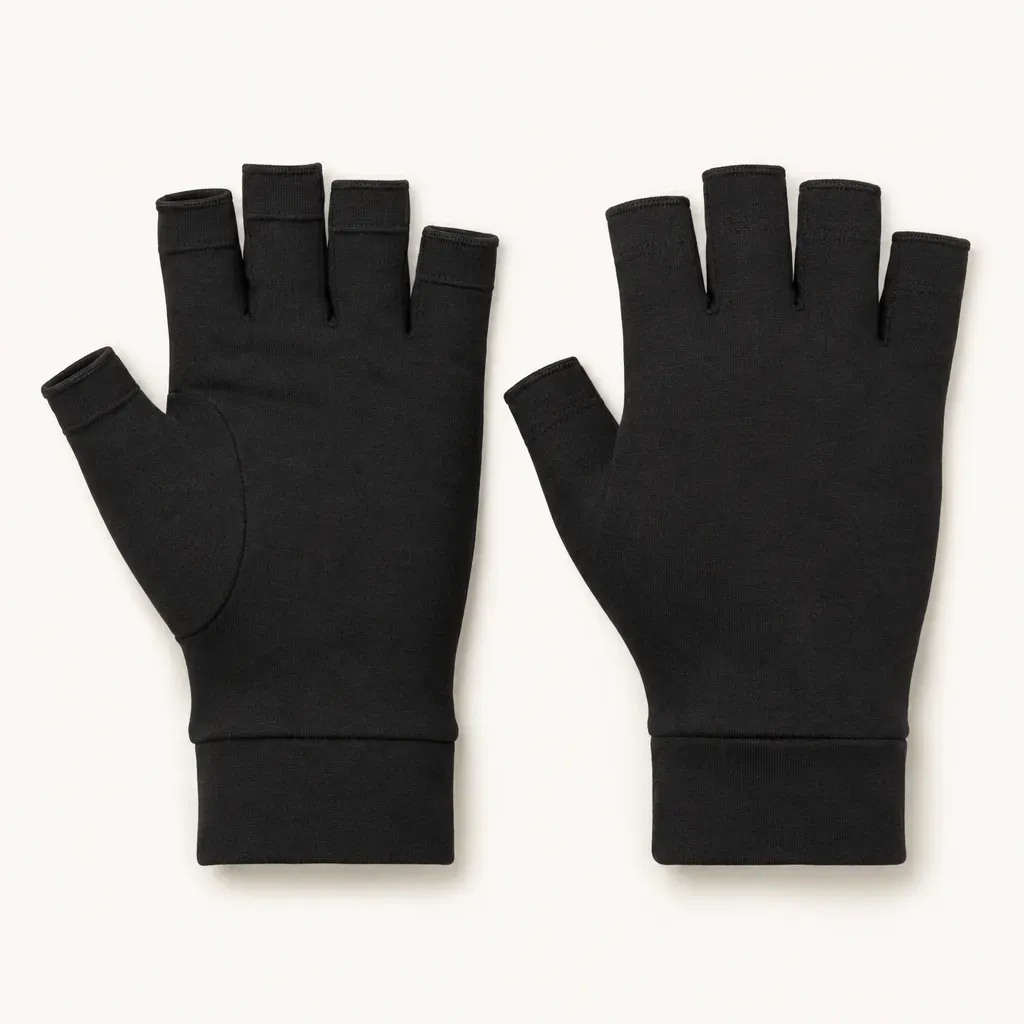
What light compression gloves are
A compression glove is made from a stretchy knit that fits closely around the palm, the back of the hand and the wrist. Unlike an ordinary winter glove, it is designed to feel snug against the skin.
Most compression gloves for everyday use are:
- Fingerless or open-fingered, so your fingertips are free to feel, grip and type
- Light compression, a gentle, even hug rather than a tight squeeze
- Thin enough to wear while you use your hands
Our arthritis compression gloves are fingerless with light, snug compression, in black or beige. You can see them in our hands collection.
Why people wear them
People who like compression gloves usually describe a few things:
- Warmth. The Arthritis Foundation points out that warmth can help cold, stiff hands feel better, and suggests things like warm water and heated gloves. A close-fitting glove holds in a little of your own body heat.
- A gentle, snug feel. Many people find an even, light pressure around the hand comforting.
- Support during activities. Some like wearing them for knitting, gardening, typing, or other tasks that leave hands tired.
- A reminder to go easy. Pulling on a glove can be a cue to pace hand-heavy jobs.
Those are comfort benefits. They vary from person to person, and some people simply do not like the feel of a glove.
What compression gloves do not do
It is worth being clear about this. Compression gloves do not change the course of arthritis. They do not slow it down, repair joints, or reduce inflammation.
The research supports keeping expectations modest. A randomized trial published in 2021 in BMC Musculoskeletal Disorders compared arthritis compression gloves with loose-fitting gloves in people with rheumatoid or inflammatory arthritis. It found no clinically important difference in hand pain, stiffness or function between the two, and the authors concluded the gloves were not cost-effective to provide routinely.
That is a useful finding for anyone deciding whether to buy a pair. If you enjoy the warmth and feel of a glove, that is a perfectly good reason to wear one. But gloves are not a replacement for the care your doctor recommends.
Talk to your doctor about new joint pain, swelling, or stiffness in your hands. MedlinePlus and the National Institute on Aging describe several kinds of arthritis, and a doctor can work out which you have and what will help.
Getting the fit right
Fit is everything with a compression glove. Too loose, and it does little. Too tight, and it can be uncomfortable or leave marks.
How to measure
- Wrap a soft tape around your palm, just below the knuckles, not including the thumb.
- Keep it snug but not tight.
- Compare with the size chart for the glove.
- If your hands swell or change through the day, measure in the morning and again later, and choose the size that fits both comfortably.
How it should feel
- Snug and even across the palm and back of the hand
- No pinching between the fingers or at the wrist
- Fingers keep their normal color and feeling
- You can still make a loose fist and grip a cup
If you are between sizes, the larger size is usually more comfortable for all-day wear.
Why fingerless?
Most compression gloves leave the fingertips open, and for good reasons:
- You keep your sense of touch for buttons, coins, pills, keys and phone screens.
- Grip is better, since your fingertips are in contact with what you are holding.
- They are easier to put on. You do not need to fit each finger into a narrow tube, which is hard with stiff knuckles.
- They are cooler, so you can wear them indoors for longer.
To put them on, open the cuff wide with the other hand, slide your hand in, and ease each finger opening into place by pressing with your palm rather than pulling with your fingertips.
When and how long to wear them
There is no fixed rule for light compression gloves. Many people wear them:
- For an hour or two in the morning, when hands feel stiffest
- During activities like knitting, gardening, typing or painting
- Outdoors in cold weather, under a looser glove or mitten
- In the evening while relaxing, if they find it comforting
Some people wear them overnight. If you want to, check with your doctor first, and make sure the fit is loose enough that your fingers keep their normal color and feeling.
Wash them regularly in mild soap, and let them air dry away from heat. Like compression socks, they stretch out over time and are worth replacing when they feel loose.
Other simple ways to keep stiff hands comfortable
Gloves are one comfort option among several. The Arthritis Foundation suggests a few easy ideas for cold, stiff hands:
- Warm water. Running your hands under warm water can help ease stiffness, which makes it a good first step in the morning.
- A warm wax bath. Some people use a paraffin wax bath for sore hands, which also leaves skin moisturized.
- Hand warmers and heated gloves. Disposable hand warmers or battery-heated gloves help when you are out in the cold.
Around the house, small changes help too: chunky pen grips, jar openers, lever-style door handles and lighter pots and pans all take strain off the hands. An occupational therapist can suggest tools that suit your own hands and daily tasks, so it is worth asking your doctor for a referral if everyday jobs have become difficult.
Many people combine these. For example, warm water first thing, then gloves while the hands loosen up over breakfast.
When to take them off
Take gloves off straight away if your fingers feel numb, tingle, ache more, or look pale, blue or dusky. Check with your doctor before wearing compression gloves if you have circulation problems in your hands, fragile skin or open sores, or reduced feeling in your hands.
Look at your hands when you take the gloves off. Light marks from the fabric are normal and fade quickly. Redness that lasts, sore spots or broken skin are a sign the size or style is not right.
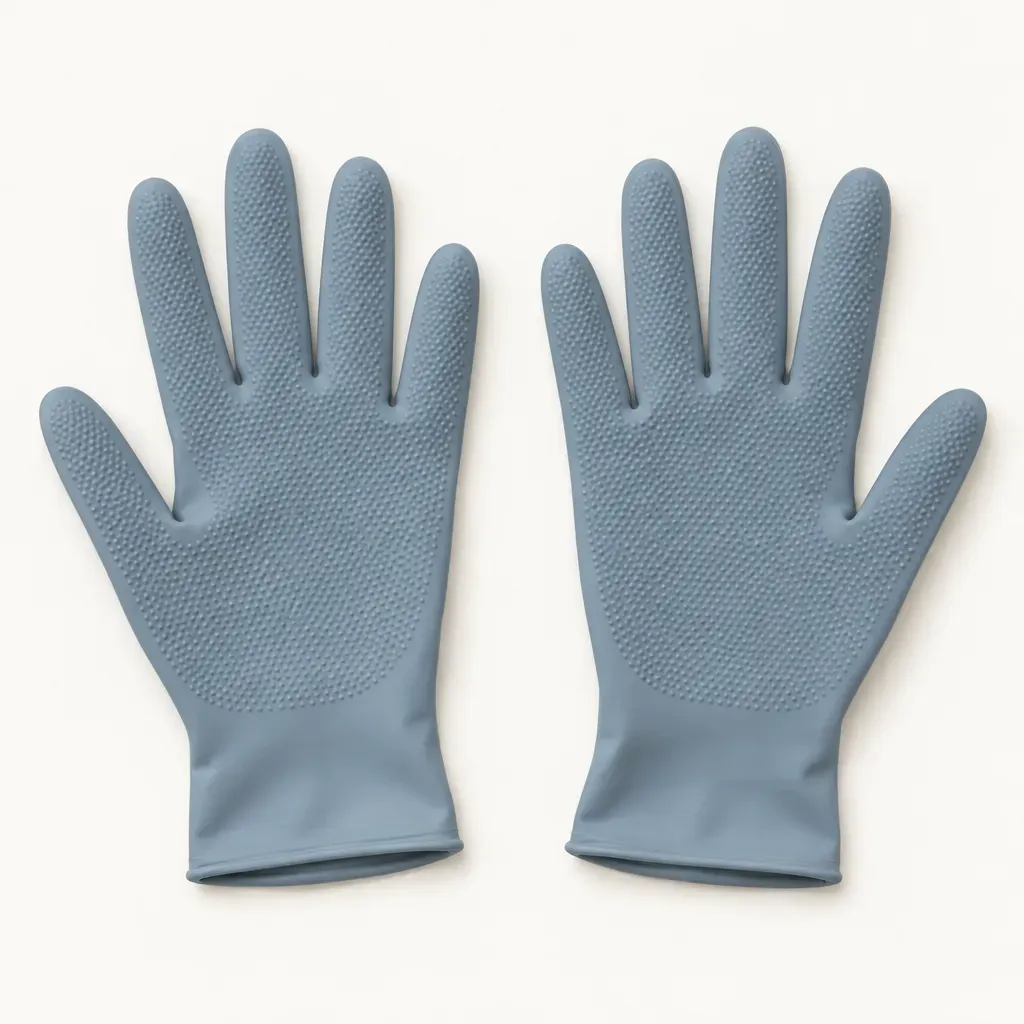
If the fit is off, we offer 30-day returns. If stiff hands also make it hard to manage compression socks, our guide to putting on compression socks with arthritis may help, and our donning gloves give you grip without squeezing.